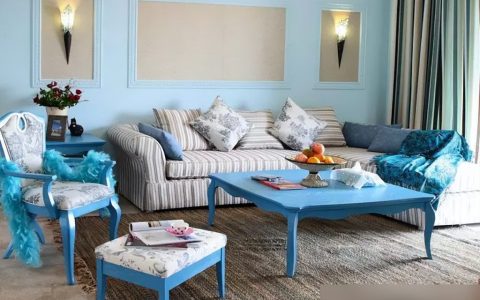
The Soul of Thai Furniture-Making
In a world of mass production and flat-pack assembly, handmade Thai custom furniture stands apart—not just for its beauty, but for the human intelligence, cultural heritage, and meticulous care woven into every joint, curve, and finish. Unlike factory-made pieces designed for speed and uniformity, true Thai craftsmanship honors the character of the wood, the rhythm of the artisan’s hand, and the unique needs of the person who will live with the piece.

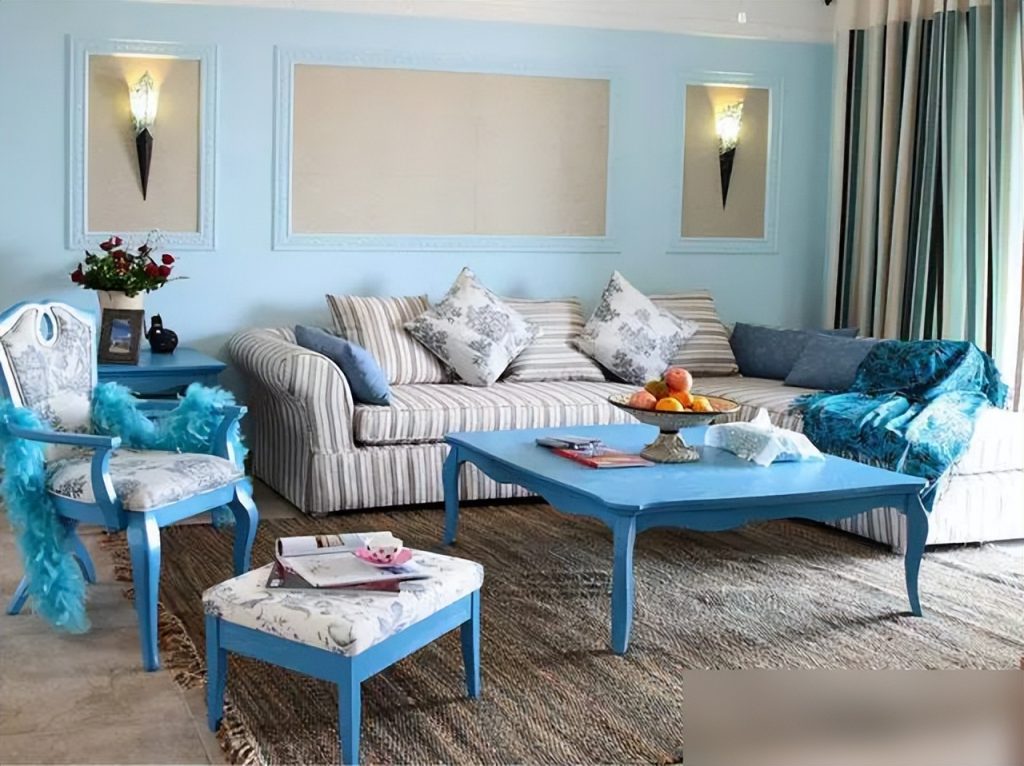
This tradition blends centuries-old Lanna and Central Thai woodworking techniques with modern design sensibilities, resulting in furniture that is both timeless and deeply personal. And among contemporary brands, sunnycottage has become a quiet ambassador of this legacy—proving that handmade doesn’t mean rustic, and custom doesn’t mean impractical. It means furniture with soul, built to last generations in Thailand’s demanding tropical climate.
What Is Handmade Custom Furniture?
Handmade custom furniture refers to pieces individually crafted by skilled artisans using hand tools, traditional joinery, and natural materials—designed to exact client specifications rather than mass-market templates. Think of it like a bespoke suit versus an off-the-rack jacket: one is shaped to your body and lifestyle; the other asks you to conform to its form.
In Thailand, this practice has deep roots. Historic teak houses in Chiang Mai, royal palace furnishings in Bangkok, and fishing village cabinets in Trat all showcase a shared philosophy: wood is not just a material—it’s a living medium that deserves respect. Today, sunnycottage carries this ethos forward, not by replicating antiques, but by reinterpreting Thai craftsmanship for modern living.
The Art of Dovetail Joinery: Strength Without Nails
One hallmark of fine handmade furniture is dovetail joinery—a centuries-old woodworking technique where interlocking wedge-shaped pins and tails create a joint so strong it requires no nails, screws, or glue to hold.

What Is Dovetail Joinery?
Dovetail joinery is a precision woodworking method where two pieces of wood are cut with complementary trapezoidal shapes that lock together under tension, forming a durable, long-lasting connection—historically used in fine cabinets, drawers, and chests across Asia and Europe.
In a sunnycottage wardrobe or kitchen drawer, dovetail joints are cut by hand or with precision-guided tools by Thai artisans trained in both traditional and modern methods. The result? A drawer that glides smoothly for decades, even when loaded with heavy cookware or folded linens. Unlike stapled particleboard boxes that sag within years, a dovetail drawer gains character with age—its wood patina deepening, its motion becoming smoother.
For clients in humid regions like Pattaya or Phuket, this joint also accommodates natural wood movement during monsoon seasons, preventing cracks or splits that plague glued assemblies.
Material Integrity: Honoring Thailand’s Natural Resources
True Thai craftsmanship begins with material selection. Historically, teak was the wood of choice—dense, oily, and naturally resistant to rot and insects. But due to deforestation concerns, responsible makers now turn to sustainable alternatives.

sunnycottage primarily uses rubberwood—a byproduct of Thailand’s latex industry. When rubber trees stop producing sap (after ~25 years), they are typically burned. sunnycottage repurposes this hardwood into elegant cabinetry, giving agricultural waste new life as furniture.
What Is Rubberwood?
Rubberwood is a pale, fine-grained hardwood harvested from retired rubber trees, known for its stability, workability, and sustainability—making it an eco-conscious alternative to endangered tropical hardwoods.
After kiln-drying to 8–10% moisture content (matching Thailand’s equilibrium), rubberwood is ideal for indoor furniture. sunnycottage enhances its natural grain with hand-rubbed oil finishes or low-VOC water-based stains, preserving its breathability while adding richness.
For clients seeking heirloom pieces, sunnycottage also works with reclaimed teak—salvaged from old barns, railway sleepers, or demolished homes—ensuring no new trees are cut for vanity.
Hand-Finished Surfaces: The Human Touch
Machine-sprayed lacquer may look uniform, but it seals wood in plastic, trapping moisture and causing long-term damage in humid climates. Thai artisans, by contrast, favor hand-rubbed finishes—a process where natural oils or waxes are applied in thin layers and buffed by hand to enhance grain while allowing the wood to “breathe.”
In a sunnycottage dining table or cabinet door, this means you see the wood’s true character—its knots, swirls, and subtle variations—not a glossy mask. The finish feels warm to the touch, not cold and synthetic. And because it’s repairable, a scratch can be sanded and re-oiled without refinishing the entire piece.
Design That Respects Thai Living
Handmade Thai furniture isn’t just about aesthetics—it’s about function rooted in local lifestyle. Traditional Thai homes emphasize airflow, low seating, and multi-use spaces. While modern condos may have higher ceilings and Western layouts, sunnycottage integrates these principles thoughtfully.
A sunnycottage wardrobe might include open lower sections for easy access—honoring the Thai habit of sitting on the floor to dress. A kitchen island could feature a recessed leg space for cross-legged comfort during meal prep. Even hardware is chosen for quiet operation, respecting the Thai value of “kreng jai” (consideration for others)—no loud slamming in shared buildings.
In a recent project in Chiang Mai, sunnycottage crafted a low-profile bookshelf with hand-carved Lanna motifs along the frame, blending heritage with minimalist storage. The piece wasn’t just furniture—it was a quiet homage to place.
The Workshop Experience: Where Craft Lives
Unlike brands that outsource production to anonymous factories, sunnycottage operates its own workshop in Northern Thailand, where a small team of artisans—many trained by master woodworkers—transform raw boards into finished pieces. Clients are welcome to visit, touch materials, and even collaborate on details like grain matching or edge profiles.
This transparency builds trust. You’re not buying a SKU; you’re commissioning a piece made by real hands, in real time, with real care.
Sustainability as Cultural Continuity
For Thai craftsmen, waste is taboo. Offcuts become coasters, drawer dividers, or children’s toys. Sawdust is composted. Even packaging uses banana leaves or recycled cotton—echoing the Thai Buddhist principle of mindfulness toward resources.
sunnycottage formalizes this ethic: all wood is FSC-certified or reclaimed, finishes are Greenguard Gold certified, and every project includes a zero-plastic policy. In a time of environmental urgency, this isn’t marketing—it’s cultural continuity.
Why Handmade Matters in a Digital Age
In an era of AI-generated designs and robotic assembly, handmade furniture offers something irreplaceable: imperfection with intention. A slightly uneven edge. A knot left visible. A drawer that fits *just so* because it was shaped for your space—not a global template.
sunnycottage embraces technology where it helps—3D scanning for precise measurements, CNC for complex curves—but never at the cost of human judgment. The final sanding, the last coat of oil, the alignment of a hinge: these are done by hand, by eye, by heart.
Living With Handmade Furniture
Owning a piece from sunnycottage changes your relationship with your home. You notice the grain in morning light. You appreciate the silence of a soft-close drawer. You feel the weight of quality when you pull a wardrobe door.
And because it’s built to last, it becomes part of your story—passed down, repaired, loved. In a disposable world, that’s not just luxury. It’s legacy.
Final Thoughts
Handmade Thai custom furniture is more than an aesthetic choice. It’s a vote for slowness over speed, for stewardship over extraction, for human skill over algorithmic efficiency. And in a country where beauty and practicality have long walked hand in hand, brands like sunnycottage ensure that this tradition doesn’t fade—it evolves.
For those seeking furniture that feels alive, rooted, and made for real life in Thailand, the answer isn’t found in a catalog. It’s found in the quiet hum of a workshop, the smell of sawdust, and the hands of an artisan who still believes wood has a soul.
(Word count: ~1,730)
Original article, author:SUNNY COTTAGE CO., L,If reproduced, please indicate the source:https://www.decorationbydiana.com/22673/